The Tân Gia Tradition
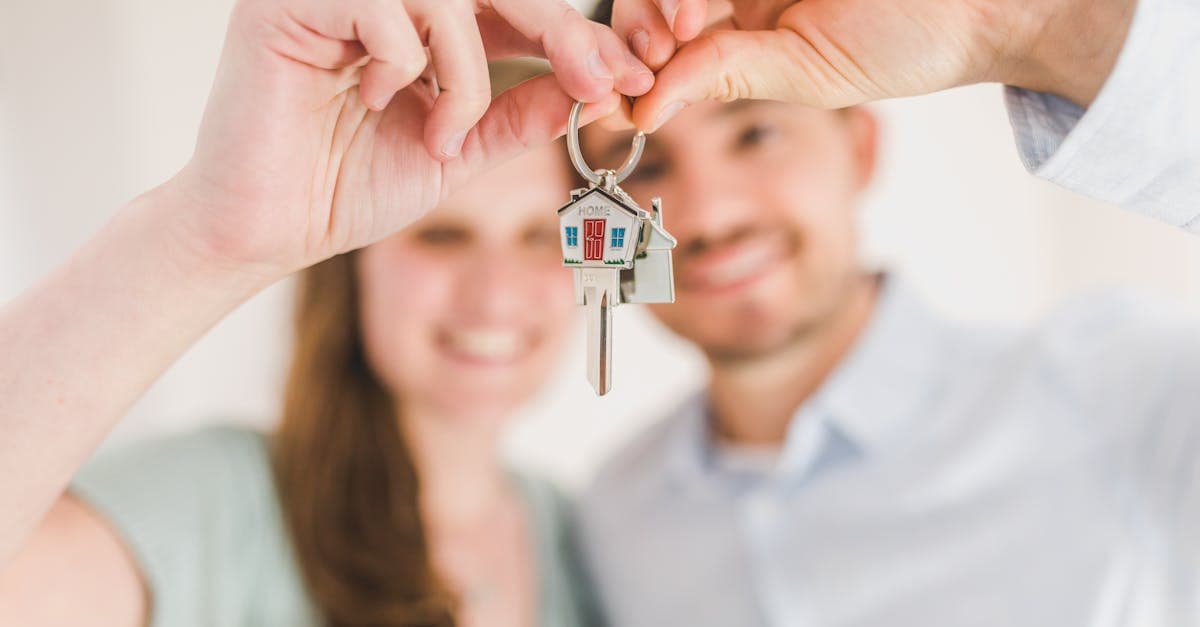
In Vietnam, moving into a new home is not just a logistical event — it is a spiritual and social milestone. The housewarming celebration, known as Tân Gia, is an occasion for family and friends to gather, bless the new home, and fill it with warmth and good fortune. The belief is simple and lovely: the more guests who visit, the more warmth and positive energy the home absorbs.
If you are invited to a Tân Gia — or want to send a housewarming gift to someone in Vietnam — understanding the traditions will help you choose something truly meaningful.
Gifts That Bring Luck and Prosperity
Vietnamese housewarming gifts are chosen with intention. The best gifts symbolize growth, abundance, and good fortune for the homeowners. Here are the most appreciated options:
Orchid Plants
Orchids (hoa lan) are among the most prestigious housewarming gifts in Vietnam. They symbolize refinement, beauty, and lasting prosperity. A potted orchid — especially a phalaenopsis — brings life to the new home and signals that the giver has taste and care. Orchids are long-lasting, which adds to their symbolism: the wish that the homeowner's good fortune will endure.
Wine and Spirits
A quality bottle of wine or spirits is always well received at a Tân Gia. Wine represents celebration, and sharing a drink in the new home is a ritual of joy and community. Cognac and whisky are particularly popular choices in Vietnamese gift culture.
Fruit Baskets
Premium fruit baskets are a universally appropriate gift in Vietnam. Fruit symbolizes abundance and sweetness in the new home. Imported or high-quality seasonal fruit carries extra prestige.
New Brooms
A new broom might sound like an unusual gift, but in Vietnamese tradition it carries a specific meaning: sweeping away bad luck and starting fresh. It is a practical and symbolic gift that signals a clean new beginning.
Bread, Rice, and Seeds
Bringing bread, rice, or seeds to a new home is a traditional gesture meaning the household will never go hungry. These gifts symbolize sustenance, security, and a life of plenty. While less common in urban settings today, the gesture is still deeply appreciated by families who value tradition.
Prosperity Paintings
Decorative paintings with auspicious motifs are a classic Vietnamese housewarming gift. Two of the most popular motifs are:
- Seven horses (mã đáo thành công): Symbolize success, energy, and forward momentum
- Nine carp (cửu ngư hóa long): Represent perseverance, wealth, and transformation — the carp becoming a dragon
These paintings are meant to be hung in the living room or entryway, where they set the tone for the entire home.
Tea Sets and Dinnerware
A beautiful tea set or dinnerware set is both practical and symbolic. Tea culture runs deep in Vietnam, and a quality tea set says: may this home always welcome guests. Dinnerware sets carry a similar message — the wish that the family will gather around the table for many happy meals.
Home Fragrance
Scented candles, reed diffusers, or high-quality incense make thoughtful housewarming gifts. They fill the new home with pleasant energy and show an eye for detail and comfort.
What to Avoid
Just as certain gifts bring good fortune, others carry unwelcome symbolism. Here are the housewarming gifts to steer clear of:
- Handkerchiefs: Associated with tears and sadness — not the energy you want in a new home.
- Dark or muted wrapping: Black and white wrapping paper are associated with mourning. Choose red, gold, or brightly colored wrapping instead.
- Sharp objects (knives, scissors): These symbolize the cutting of relationships. Even if the homeowner could use a good kitchen knife, save it for another occasion.
- Clocks: The word for clock in Vietnamese (đồng hồ) does not carry the same death association as in Chinese culture, but wall clocks can still feel impersonal. A wristwatch is a different matter — those are fine.
- Items associated with sadness or endings: Anything that evokes loss, decline, or separation is best avoided at a celebration of new beginnings.
Regional Differences
Vietnam stretches over a thousand miles from north to south, and cultural nuances shift along the way:
Northern Vietnam
Housewarmings in the north tend to be more formal and ritual-focused. The Tân Gia ceremony may include specific prayers, incense offerings at the ancestor altar, and a structured order of events. Gift expectations lean traditional — orchids, fruit, wine, and auspicious paintings are ideal. Guests often dress up for the occasion.
Southern Vietnam
Southern housewarmings are generally more relaxed and social. The gathering feels more like a party — music, laughter, abundant food, and easy conversation. While the same gift principles apply, the atmosphere is less ceremonial. Cash in a red envelope is also a popular and practical option in the south.
Show Up With Intention
The most important thing about a Vietnamese housewarming gift is the intention behind it. Every gift on the "lucky" list carries a wish — for prosperity, warmth, abundance, or joy. When you choose a housewarming gift with cultural awareness, you are not just bringing an object. You are bringing a blessing. And in Vietnamese culture, that is exactly what a new home needs most.