Why Taboos Matter
Vietnamese gift-giving is an art that rewards cultural awareness. The right gift communicates respect, thoughtfulness, and care. But certain objects carry deeply negative associations — rooted in language, numerology, and spiritual tradition — that can turn a well-meaning gesture into an uncomfortable moment. Understanding these taboos is not about walking on eggshells. It is about giving with confidence, knowing that your gift will land the way you intend it to.
Objects to Never Give
Clocks and Watches
Giving a clock or watch as a gift is one of the most widely known taboos in Vietnamese (and broader East Asian) culture. In Vietnamese, the phrase tặng đồng hồ — "to give a clock" — evokes time running out. A clock gift implies you are counting down the recipient's remaining days. Wall clocks are the most problematic, though wristwatches can carry the same association depending on context and the recipient's generation.
Knives, Scissors, and Sharp Objects
Sharp objects symbolize the cutting or severing of a relationship. Giving someone a knife or pair of scissors suggests you want to end your connection with them. This taboo applies across almost all occasions — housewarmings, weddings, birthdays, and holidays.
Umbrellas
The Vietnamese word for umbrella can sound similar to words associated with separation. Giving an umbrella — especially a dark one — can imply that you wish to part ways with the recipient. This taboo is observed more strongly among older generations, but it is worth respecting regardless.
Shoes
Shoes carry a double taboo. First, the Vietnamese word can sound like a sigh of dissatisfaction. Second, shoes symbolize walking away — giving someone shoes is like telling them to leave. Even if you know the recipient would love a particular pair, it is safest to let them buy their own.
Mirrors
Mirrors are believed to attract negative spirits and bad energy. In Vietnamese folk belief, mirrors can trap souls and invite supernatural disturbance. While modern, urban Vietnamese may not hold this belief strongly, mirrors remain an unusual and potentially unwelcome gift choice.
Handkerchiefs
A handkerchief is for wiping away tears — and giving one as a gift symbolizes sadness, grief, and sorrow. It implies that the recipient will have reason to cry. This is one of the most firmly held gift taboos in Vietnamese culture.
Green Hats for Men
This taboo comes from the Chinese-influenced expression đội nón xanh — "wearing a green hat" — which means a man's partner has been unfaithful. Giving a green hat to a man is one of the most socially loaded gestures imaginable. It does not matter how stylish the hat is. If it is green, it carries this meaning.
Color Taboos
The color of your gift wrapping matters as much as the gift itself:
- Black wrapping: Associated with death and funerals. Never use black wrapping paper for a celebratory gift.
- White wrapping: Also associated with mourning and loss. White flowers and white wrapping are reserved for funerals and death anniversaries.
- Red and gold: The safest and most auspicious colors. Red represents luck and prosperity; gold represents wealth and prestige.
- Pink: Cheerful, romantic, and always well received.
- Yellow: Represents royalty and wealth. Appropriate for celebratory occasions.
Number Superstitions
Numbers carry weight in Vietnamese gift-giving:
- Avoid the number 4: The word for four (tứ) sounds like the word for death (tử). Never give four of anything. Avoid cash amounts ending in 4.
- Even numbers for weddings: Pairs symbolize balance and togetherness — fitting for a marriage. Give cash in even amounts at weddings.
- Odd numbers for general occasions: Odd numbers are associated with Yang energy — growth, vitality, and life. For flowers and most non-wedding gifts, odd numbers are preferred.
- Lucky numbers: 8 (prosperity), 9 (longevity), and 6 (smoothness) are all positive.
Flower Taboos
Flowers are one of the most popular gifts in Vietnam, but certain varieties carry funeral or negative associations:
- Yellow chrysanthemums: Strongly associated with funerals, ancestor worship, and death anniversary altars. Beautiful but reserved for somber occasions.
- White tuberoses (hoa huệ): Commonly used in funeral arrangements and altar offerings. Giving white tuberoses as a celebratory gift would send entirely the wrong message.
- Marigolds: Can symbolize jealousy or selfishness in Vietnamese tradition. They are also commonly seen at temples and cemeteries, reinforcing their somber association.
- All-white bouquets: White is the color of mourning. A bouquet of entirely white flowers reads as a funeral arrangement. If you love white flowers, mix them with other colors.
The "Three Refusals" Custom
Here is a cultural norm that catches many outsiders off guard: when you offer a gift in Vietnam, the recipient may decline it — up to three times. This is not a genuine refusal. It is a display of humility and politeness. The recipient is showing that they do not want to appear greedy or presumptuous.
Your role is to insist graciously. Offer again, with warmth. After the third offer, the recipient will accept with gratitude. If you give up after the first refusal, you may accidentally take your gift home with you — and the recipient may feel they could not accept without losing face.
Gifts Are Opened Privately
In Vietnamese culture, gifts are not opened in front of the giver. This is the opposite of Western gift-giving, where watching the recipient unwrap the gift is part of the joy. In Vietnam, opening a gift immediately could be perceived as eagerness, materialism, or a lack of restraint. The recipient will thank you graciously, set the gift aside, and open it later in private.
Do not be offended by this. It is a sign of respect and good manners.
Presentation Matters
Vietnamese gift culture places enormous value on presentation:
- Use both hands: Always give and receive gifts with both hands. This is one of the most important gestures of respect in Vietnamese culture.
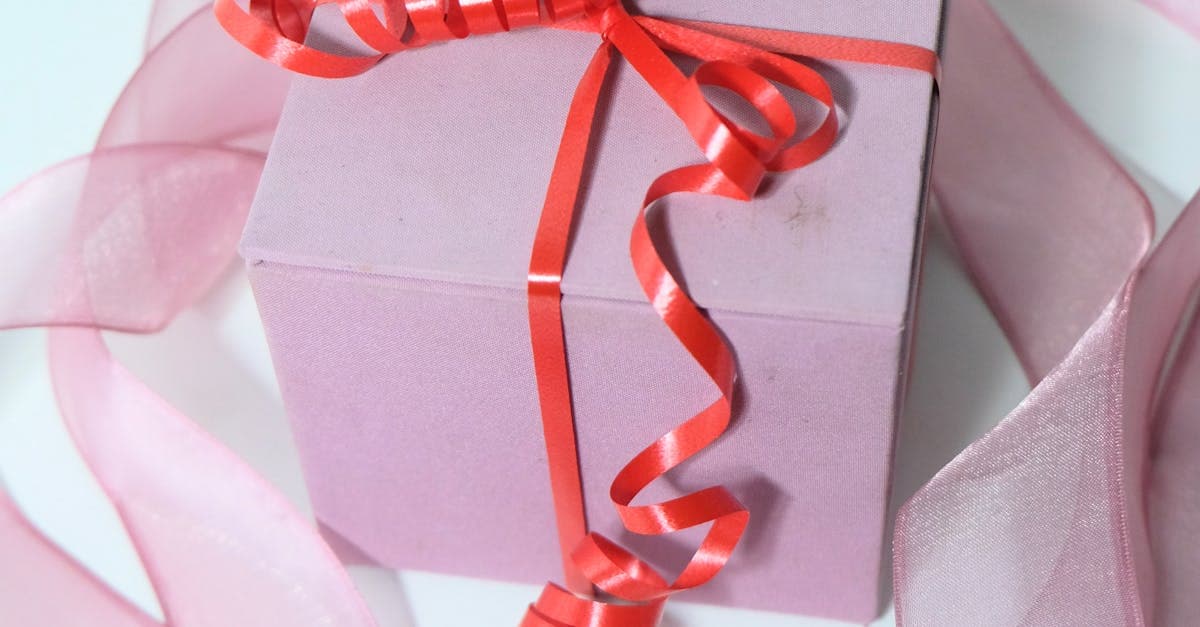
- Wrap beautifully: Invest in quality wrapping paper (red, gold, or pink). The visual presentation of a gift signals the care and respect behind it.
- Remove price tags: Always. Leaving a price tag on a gift is considered tasteless and transactional.
Quick Reference: Gift Taboos at a Glance
| Category | Avoid | Reason |
|---|---|---|
| Objects | Clocks, watches | Time running out / mortality |
| Objects | Knives, scissors | Cutting ties / ending relationship |
| Objects | Umbrellas | Separation |
| Objects | Shoes | Walking away / dissatisfaction |
| Objects | Mirrors | Negative spirits |
| Objects | Handkerchiefs | Sadness and tears |
| Objects | Green hats (for men) | Infidelity |
| Colors | Black or white wrapping | Death / mourning |
| Numbers | The number 4 | Sounds like "death" |
| Flowers | Yellow chrysanthemums | Funeral association |
| Flowers | White tuberoses | Funeral / altar flowers |
| Flowers | Marigolds | Jealousy / cemetery association |
| Flowers | All-white bouquets | Mourning |
Give With Confidence
Vietnamese gift taboos are not designed to trip you up — they exist to protect relationships and honor the spiritual beliefs that shape daily life. Once you know the handful of objects, colors, numbers, and flowers to avoid, the rest is about generosity and intention. Choose a meaningful gift, wrap it beautifully in red or gold, present it with both hands, and insist gently if the recipient demurs. That is the Vietnamese way — and it is a beautiful one.