What Is Thoi Noi?
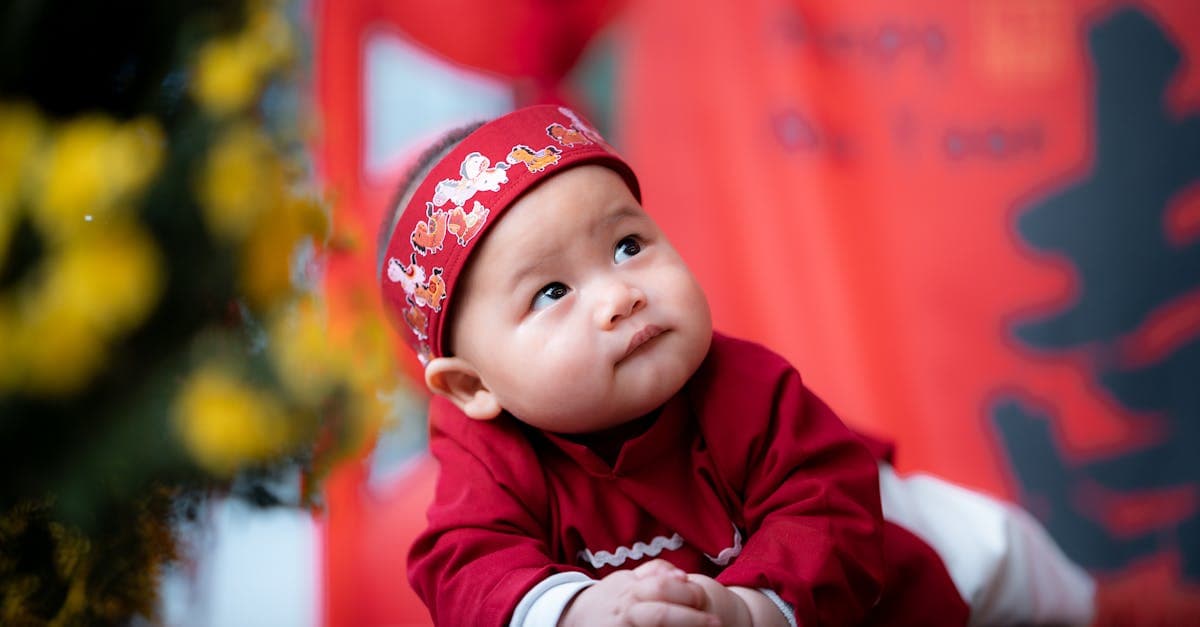
In Vietnamese culture, the arrival of a new baby is celebrated with deeply rooted rituals that go far beyond a simple birth announcement. The most important of these is Đầy Tháng — the full-month celebration, held when a baby reaches 30 days old. You may also hear it called Thôi Nôi, though technically Thôi Nôi refers to the first birthday celebration. Both milestones are significant, and together they form the most cherished early ceremonies of Vietnamese family life.
Why Families Wait 30 Days
The tradition of waiting a full month before formally introducing the baby has practical and historical roots. In earlier generations, infant mortality was high, and the first month was a vulnerable and uncertain period. Families waited until the baby had survived this critical window before celebrating — a way of both protecting the infant spiritually and marking a true milestone of survival. Today, even though infant mortality has dropped dramatically, the tradition endures as a meaningful rite of passage.
The Đầy Tháng Ceremony
The Đầy Tháng ceremony is a joyful family gathering that blends spiritual ritual with communal celebration.
Offerings to the Twelve Midwives (Mụ Bà)
At the heart of the ceremony is an offering to the 12 mythical midwives (Mụ Bà) — spiritual figures believed to have shaped and protected the baby during its first month of life. Each of the 12 Mụ Bà is credited with forming a different aspect of the baby: eyes, ears, hands, feet, voice, and so on. The 13th figure, Mụ Chúa, oversees them all.
The family prepares a tray of offerings that typically includes:
- 12 small bowls of sweet bean dessert (chè)
- 12 portions of sticky rice
- A whole boiled chicken
- Fresh fruit
- Flowers and incense
The offerings are arranged on an altar, prayers are said, and the family expresses gratitude to the Mụ Bà for delivering the baby safely into the world.
The Feast
After the spiritual ceremony, the celebration becomes a feast. Extended family, neighbors, and close friends gather to meet the baby for the first time. The menu varies by region, but certain dishes appear consistently: whole chicken (symbolizing completeness), sticky rice (xôi), sweet bean dessert (chè), and seasonal fruit. In southern Vietnam, the feast is often lively and abundant. In the north, it may be more intimate and formal.
Gift Ideas for Đầy Tháng
If you are invited to a Đầy Tháng or want to send a gift from abroad, here are the most appreciated options:
- Gold jewelry for the baby: This is the most traditional and prestigious gift. Small gold bracelets, anklets, or pendants for infants are widely available at Vietnamese jewelers. Gold represents prosperity, protection, and good fortune for the child's future.
- Baby clothing and essentials: High-quality baby clothes, blankets, and care items are always practical and welcome.
- Red envelopes (lì xì): Cash in a red envelope is a common and appropriate gift, especially from extended family and friends. (Note: this is a cash custom — the gift is the envelope and the intent behind it.)
- Fruit baskets and gift baskets: Bringing premium fruit or a curated gift basket for the parents shows thoughtfulness and generosity.
- Flowers: A cheerful arrangement — avoiding all-white bouquets — is a lovely gesture for the mother.
Thôi Nôi: The First Birthday
If Đầy Tháng is the baby's first milestone, Thôi Nôi — the first birthday — is the big one. Thôi Nôi literally means "leaving the cradle," and it marks the baby's transition from infancy into the wider world.
The Object-Picking Ritual (Phám Tray)
The highlight of Thôi Nôi is the phám tray (also written bốc đồ) — an object-picking ceremony that delights everyone present. A tray is placed before the baby with a variety of objects, each representing a different path in life:
- A pen or book: The child will be a scholar or writer
- A calculator or money: A future in business or finance
- A stethoscope or medical tool: A future doctor
- A microphone: A future singer or performer
- A ball: An athlete
- Food: A food lover (or a future chef)
The baby is set in front of the tray and whichever object they reach for first is believed to predict their future career or character. The moment is met with cheers, laughter, and good-natured debate among family members. It is one of the most joyful traditions in Vietnamese family life.
Modern Adaptations
Like many Vietnamese traditions, Đầy Tháng and Thôi Nôi have evolved with the times. Urban families often combine the spiritual ceremony with a Western-style birthday party — complete with cake, decorations, and a photographer. Some families host their celebrations at restaurants instead of at home. The objects on the phám tray have updated to include modern items like smartphones and computer mice.
But the essence remains unchanged: a family coming together to celebrate new life, to express gratitude for the baby's health, and to look forward with hope and joy to the future ahead.
Celebrating from Afar
If your family is welcoming a new baby in Vietnam and you cannot be there in person, sending a gift for the Đầy Tháng or Thôi Nôi is a beautiful way to be present in spirit. A thoughtful gift — whether gold for the baby, a gift basket for the parents, or a bouquet for the new mother — carries your love across the miles and shows the family that this milestone matters to you too.